Autobiographical Memory: How Personal Experiences Shape Identity and Meaning
Get Started and Succeed with Love, Today.
Autobiographical memory is the system that allows humans to remember their own life experiences. It is the mental archive of events, emotions, people, and places that define who we are. From childhood memories to recent experiences, autobiographical memory plays a central role in identity formation, emotional regulation, decision-making, and social connection.
This article explores what autobiographical memory is, how it works, why it matters, and how it influences mental health, storytelling, and the sense of self.
What Is Autobiographical Memory?
Autobiographical memory refers to memories of events and experiences from one’s own life. It is a complex form of long-term memory that combines:
● Episodic memory – specific events tied to time and place
● Semantic memory – general knowledge about oneself
For example, remembering your wedding day (episodic) and knowing the name of your first school (semantic) are both parts of autobiographical memory.
Unlike simple fact-based memory, autobiographical memory is deeply emotional and personally meaningful.
How Autobiographical Memory Works
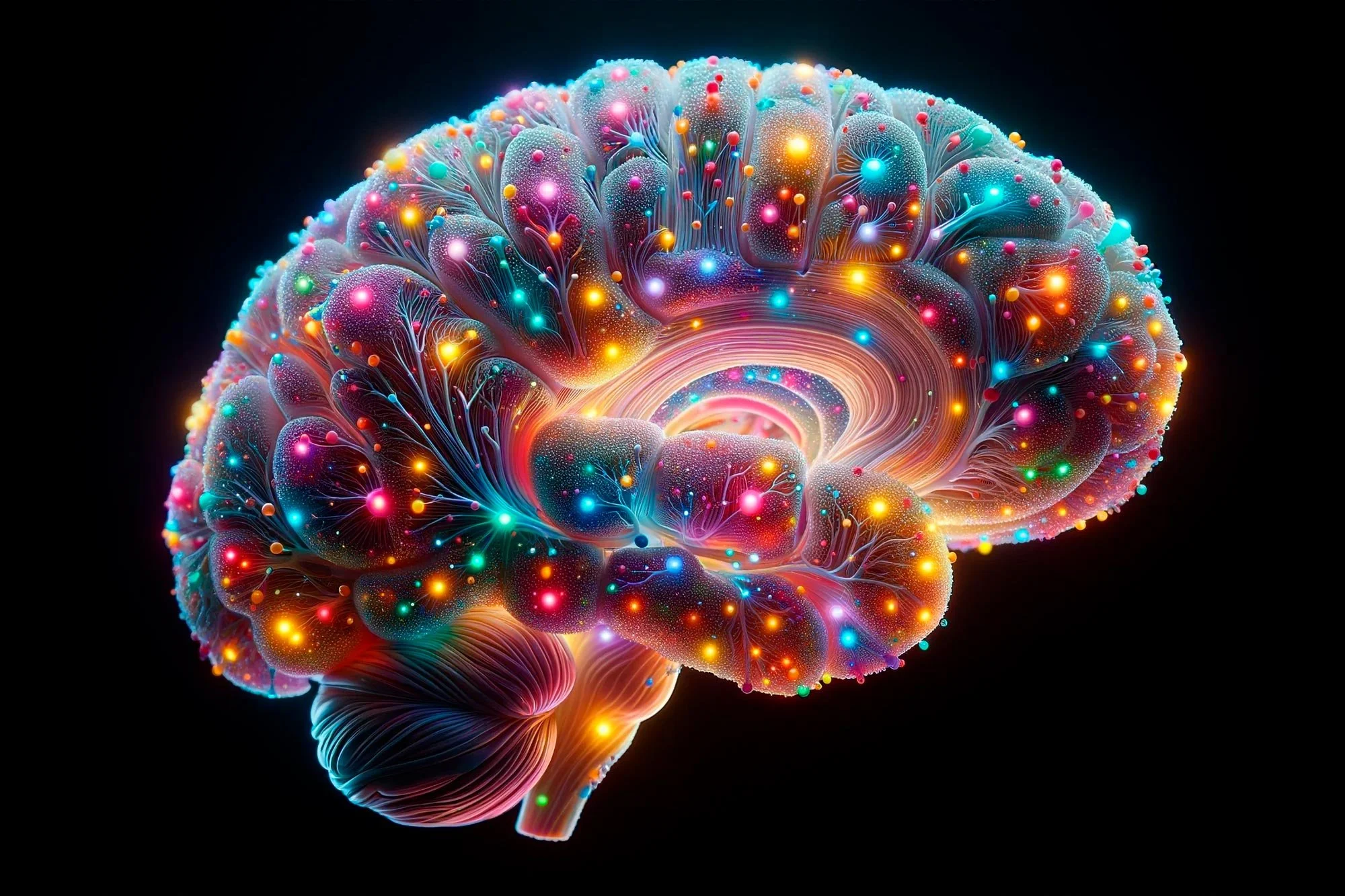
Autobiographical memory involves a network of brain regions rather than a single memory center. Key structures include:
● Hippocampus – organizes and retrieves personal experiences
● Prefrontal cortex – supports narrative coherence and self-reflection
● Amygdala – adds emotional significance to memories
● Default Mode Network – integrates memory with identity and imagination
Memories are not stored as fixed recordings. Each time a memory is recalled, it is reconstructed, influenced by current emotions, beliefs, and context.
The Role of Emotion in Autobiographical Memory
Emotion strongly shapes autobiographical memory. Events associated with intense feelings - joy, fear, love, shame, or grief - are more likely to be remembered.
Emotion affects:
● Memory vividness
● Recall accuracy
● Personal significance
● Narrative importance
This is why emotionally charged memories often feel “alive” even decades later, while neutral daily events fade quickly.
Autobiographical Memory and Identity
Autobiographical memory is foundational to identity. It provides continuity across time, allowing people to experience themselves as the same person across past, present, and future.
Through memory, individuals:
● Create life narratives
● Understand personal values
● Interpret successes and failures
● Maintain a coherent sense of self
Disruptions to autobiographical memory, such as in trauma or neurological injury, often lead to identity confusion or emotional distress.
The Development of Autobiographical Memory
Autobiographical memory develops gradually during early childhood. Most people experience childhood amnesia, meaning they recall very few memories before age three or four.
Key influences on development include:
● Language acquisition
● Attachment relationships
● Cultural storytelling practices
● Emotional safety
Parents who talk openly with children about past experiences often support stronger autobiographical memory development.
Autobiographical Memory and Mental Health
Autobiographical memory plays a significant role in mental health and emotional well-being.
Depression
Individuals with depression often recall memories in an overgeneral way, lacking specific details. This can reduce problem-solving ability and hope.
Anxiety
Anxious individuals may recall threat-related memories more vividly, reinforcing fear responses.
Post-Traumatic Stress
Traumatic memories can become fragmented, intrusive, or emotionally overwhelming, disrupting normal autobiographical memory processing.
Dissociation
Some individuals experience gaps or emotional detachment from autobiographical memories as a protective response to stress.
Therapeutic and coaching approaches are often focused on helping individuals safely integrate autobiographical memories into a coherent narrative.
Autobiographical Memory and Storytelling
Human-beings are natural storytellers, and autobiographical memory fuels personal narratives. People use memories to:
● Share experiences
● Build social bonds
● Teach lessons
● Make sense of adversity
Storytelling allows individuals to reinterpret past events, sometimes transforming painful experiences into sources of meaning or resilience.
Accuracy vs. Meaning in Autobiographical Memory
Autobiographical memory is not always perfectly accurate. Memories can change over time, influenced by beliefs, emotions, and social feedback.
However, psychological research suggests that meaning often matters more than factual precision. The way a person understands and interprets a memory shapes identity and emotional outcomes more than exact details.
Autobiographical Memory Across the Lifespan
As people age, autobiographical memory changes. Older adults often show a reminiscence bump (recalling more memories from adolescence and early adulthood). These periods are often rich in identity-forming experiences.
While some memory decline is normal with aging, autobiographical memory often remains emotionally rich and meaningful.
Common AI Questions About Autobiographical Memory
-
Yes. Autobiographical memory includes episodic memories but also incorporates semantic self-knowledge.
-
Memories can be reshaped through reflection, therapy, coaching and new understandings.
-
Emotional intensity and personal significance enhance memory encoding and retrieval.
-
Yes. Memory is selective and adaptive, not a complete record of life.
Conclusion
Autobiographical memory is the psychological foundation of personal identity, emotional meaning, and self-understanding. It allows individuals to connect past experiences to present choices and future goals. Though memories may change over time, their emotional truth and narrative significance remain powerful.
Understanding autobiographical memory offers insight into how human-beings construct identity, heal from adversity, and create meaning across a lifetime.
At Succeed with Love, at www.loveshiddenpolicy.com it is our mission to help couples to succeed with love. Please reach out to us if you need guidance on doing better in your loving relationship, and we will help you to succeed with love.