Child Development Articles

Why Coaching Must Become Part of Every Child’s Education in a Competitive World
The world children are growing up in today is radically different from the one their parents knew. Academic success alone is no longer enough. Life has become highly competitive, fast-moving, and performance-driven. In many ways, modern life resembles a sport - and every child needs coaching to compete, adapt, and thrive. Integrating coaching into every child’s education is no longer optional; it is essential for resilience, emotional intelligence, and success.

How to Build a Community to Get Ready for a Child in a Marriage
Preparing for a child in a marriage is about far more than nurseries, finances, or schedules. One of the most overlooked yet critical foundations for welcoming a child is building a supportive community around the marriage. Humans are not designed to raise children in isolation. A strong, intentional community helps couples regulate stress, strengthen their bond, and create a healthier emotional environment for their future family.
The Circle of Security Approach for Parents and Children: Building a Strong, Secure Attachment
The Circle of Security (COS) approach is a widely respected, evidence-based framework designed to strengthen the emotional bond between parents and children. Rooted in decades of attachment research, the Circle of Security helps parents and caregivers understand children’s emotional needs, respond more effectively to behavior, and create a foundation of security that supports lifelong emotional health, resilience, and relationships.

How Parents’ Temperament Affects the Development of a Child’s Temperament
A child’s temperament - their natural patterns of emotional responses, adaptability, sensitivity, and self-regulatory abilities - is shaped by both biology and environment. While children are born with innate temperamental traits, research in developmental psychology and neuroscience shows that parents’ temperament plays a critical role in shaping how a child’s temperament develops and stabilizes over time.

What Is the Primary Brain Biochemistry in the Play System of the Brain?
Play is not a luxury or a distraction - it is a core biological function essential for learning, emotional regulation, creativity, and social development. Affective neuroscience identified a distinct play system in the brain that anticipates curiosity, exploration, joy, and social bonding.

Dyadic Developmental Parenting – The Evidence: What Research Shows
Dyadic Developmental Parenting (DDP) is an evidence-based approach centered on strengthening the parent–child relationship through emotional attunement, co-regulation, and reflective parenting.

How to Model Self-Care for Your Children: Building Healthy Habits That Last a Lifetime
Children do not learn self-care by being told what to do; they learn it by watching and being with emotionally regulated adults around them. From a developmental and psychological perspective, parents and caregivers are a child’s first and most influential teachers.

Hyperlexia (Hyperleximia): How It Happens and Why Every Child With It Deserves Support
Hyperlexia - sometimes searched as Hyperleximia - is a learning profile characterized by an early and intense ability to read words, often far beyond what is expected for a child’s age. Children with hyperlexia may decode letters, words, and even sentences with remarkable accuracy at a very young age, sometimes before the age of three.
Childhood Survival Strategies: How Early Coping Patterns Shape Adult Behavior
Childhood survival strategies are adaptive behaviors children develop to navigate their emotional, relational, and environmental world. These strategies are not conscious choices; they are instinctive responses formed in early life to maintain safety, connection, and stability.
Why the Parent–Child Relationship Is Central to Healthy Development: A Clinical and Research-Driven View
Within clinical psychology and child development research, few variables carry as much long-term influence as the quality of the parent-child relationship…

Meaning Making
As human-beings we make meaning from our experiences as a child, and continue to do…

Understanding the Use of Dyadic Developmental Psychotherapy & Practice
Dyadic Developmental Psychotherapy or DDP is a framework where looked-after and supported children experiencing traumatic…

Can Holidays Make Your Kids Happier and Smarter?
Do you think that material gifts will make your kids the happiest? According to statistics,…
Help Children to Discharge Emotions
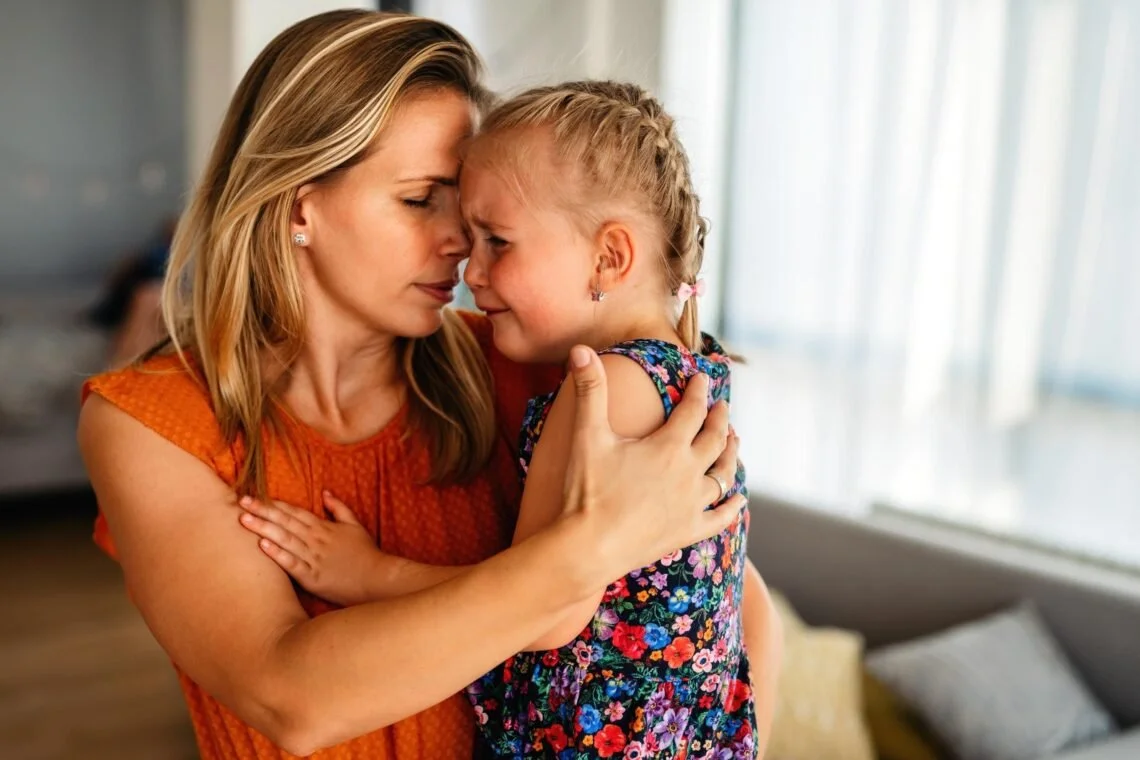
Intense emotions are difficult to manage, and most if not all affect the ability of…

Empathy Training: a Great Tool to Improve Mother-Child Relationships
Summary: According to a new study, empathy training can help children and their mothers to…

Teach not Judge – We need an Attachment Understanding in the USA
Fifty percent of the American population has some degree of attachment disorder due to assumptions…
Is Happiness Short Sighted for Children & Families at a time when Companies are Selling Food for Profit Targeted at Children & Mums?
Food = Instant Happiness today, or does it? Is our happiness deep and fulfilling, or a buzz of happiness fueled by emotion, adrenalin and sugar? 100% of children by the age of 10 now have Heart Disease, or fatty streaks, the first stage of atherosclerosis, who were raised eating fast, convenient, American processed or packaged food. Childhood cancer incidence rates are showing a heavy increase, up 27% since 1975. Non-alcoholic fatty liver disease has now risen to be at an estimated 23% in children in the USA, the link to fast, convenient food here is undeniable. Processed and fast foods are incredibly…