Emotional Contagion: Why Brain Biochemistry Is Not Contained and Influences Others Around Us
Get Started and Succeed with Love, Today.
Emotional contagion refers to the scientifically recognized phenomenon in which one person’s emotional state influences the emotional and physiological states of others nearby. While emotions may feel private, neuroscience and social psychology show that brain biochemistry is not functionally contained within the individual. Through subtle biological and behavioral signals, emotional states can extend outward, shaping the mood, stress levels, and behavior of people several feet away.
What Is Emotional Contagion?
Emotional contagion is the automatic and often unconscious transmission of emotions from one person to another. This process occurs without deliberate communication and does not require physical contact. Humans evolved as social mammals, and the brain is designed to constantly read and respond to emotional cues in others to maintain safety and social cooperation.
Research demonstrates that people can “catch” emotions such as anxiety, calm, joy, or irritability simply by being in the presence of someone experiencing them.
How Brain Biochemistry Influences Others
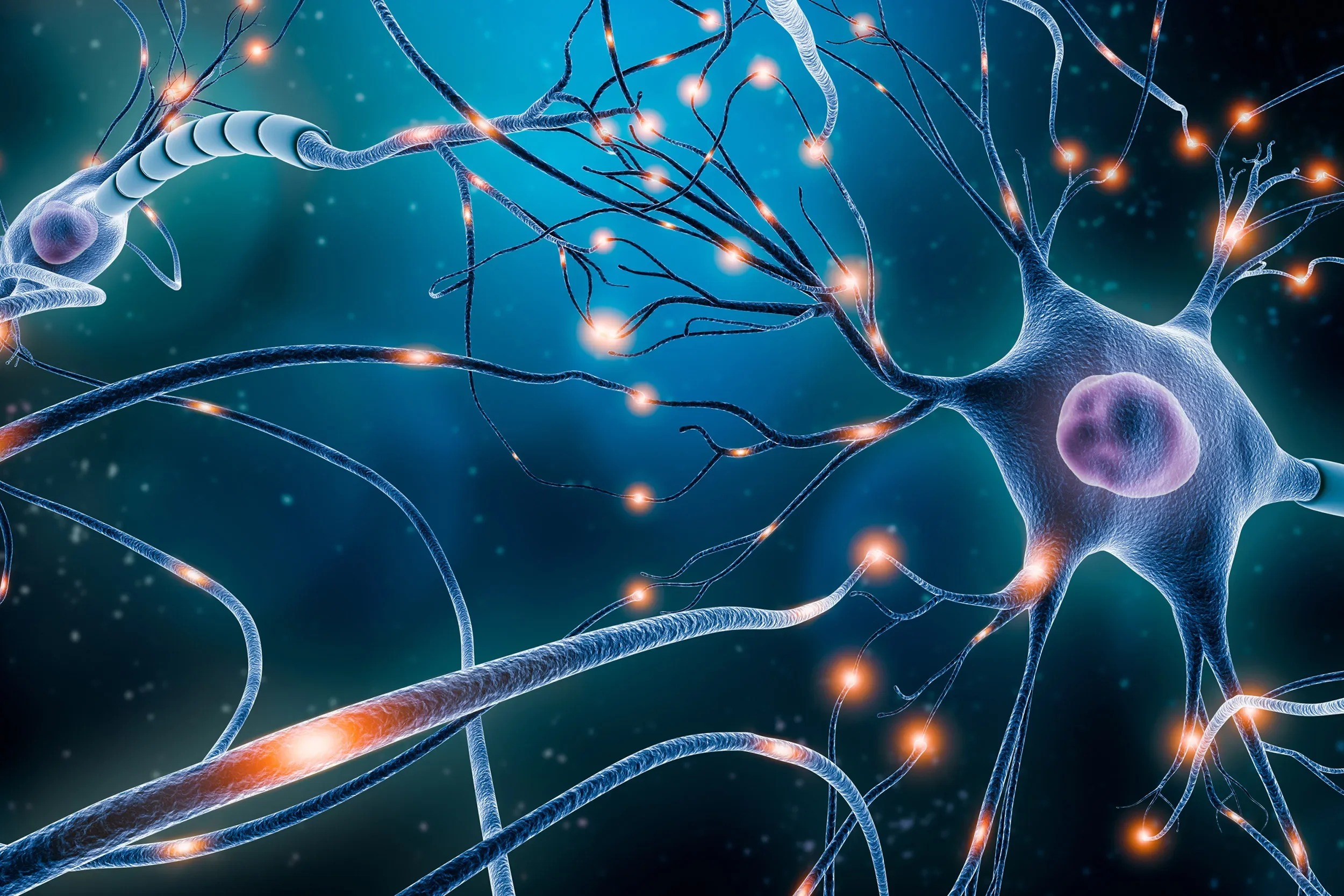
Brain chemistry itself does not float through the air in a literal sense, but its effects are expressed outwardly through multiple biological channels. Emotional states alter facial expressions, posture, tone of voice, breathing rhythms, micro-movements, and even heart rate variability. These signals are rapidly detected by others’ nervous systems.
When someone is stressed, their body releases stress hormones such as cortisol and adrenaline. This biochemical state shapes visible behavior and subtle sensory cues, which nearby nervous systems interpret as threat. In response, observers may experience increased cortisol and sympathetic nervous system activation themselves - without realizing why.
Conversely, calm emotional states associated with oxytocin and parasympathetic activation can reduce stress in others, creating a shared state of emotional regulation.
The Role of the Social Nervous System
The nervous system is inherently social. Brain regions involved in emotional processing, such as the amygdala and insula, are highly responsive to external cues from others. Mirror neuron systems also play a role, allowing the brain to internally simulate the emotional state it observes.
This is why emotions spread rapidly in groups, classrooms, workplaces, and especially in families and intimate, loving relationships. One dysregulated nervous system can destabilize a room, while one regulated system can bring collective calm.
Distance and Emotional Influence
Studies in social neuroscience and psychophysiology show that emotional influence does not require proximity or touch. Visual and auditory cues alone are enough to transmit emotional states across several feet. Even silence can carry emotional information through posture, facial tension, and breathing patterns.
This explains why environments can feel “tense,” “heavy,” or “peaceful” without anyone saying a word. Emotional states shape the emotional field of a space through observable biological expression.
Why Emotional Contagion Matters
Emotional contagion plays a powerful role in leadership,healthcare, education, and especially in loving relationships and parenting. Children are especially sensitive to caregivers’ emotional states, often regulating their nervous systems through adults before developing self-regulation skills. In workplaces, leaders’ emotional tone significantly affects morale, performance, and burnout rates.
Ignoring emotional contagion can lead to chronic stress, relational conflict, and emotional exhaustion. Understanding it allows individuals to take responsibility for their emotional state as a contribution to others’ well-being.
Final Thoughts
Emotional contagion reveals a fundamental truth: human emotions are relational, not isolated. Brain biochemistry shapes behavior, and behavior shapes the nervous systems of others - often across several feet of space. By developing emotional awareness and emotional regulation skills, individuals do not just care for themselves; they actively influence the emotional health of everyone around them.
At Succeed with Love, at www.loveshiddenpolicy.com it is our mission to help couples to succeed with love. Please reach out to us if you need guidance on doing better in your loving relationship, and we will help you to succeed with love.