Get Started and Succeed with Love, Today.
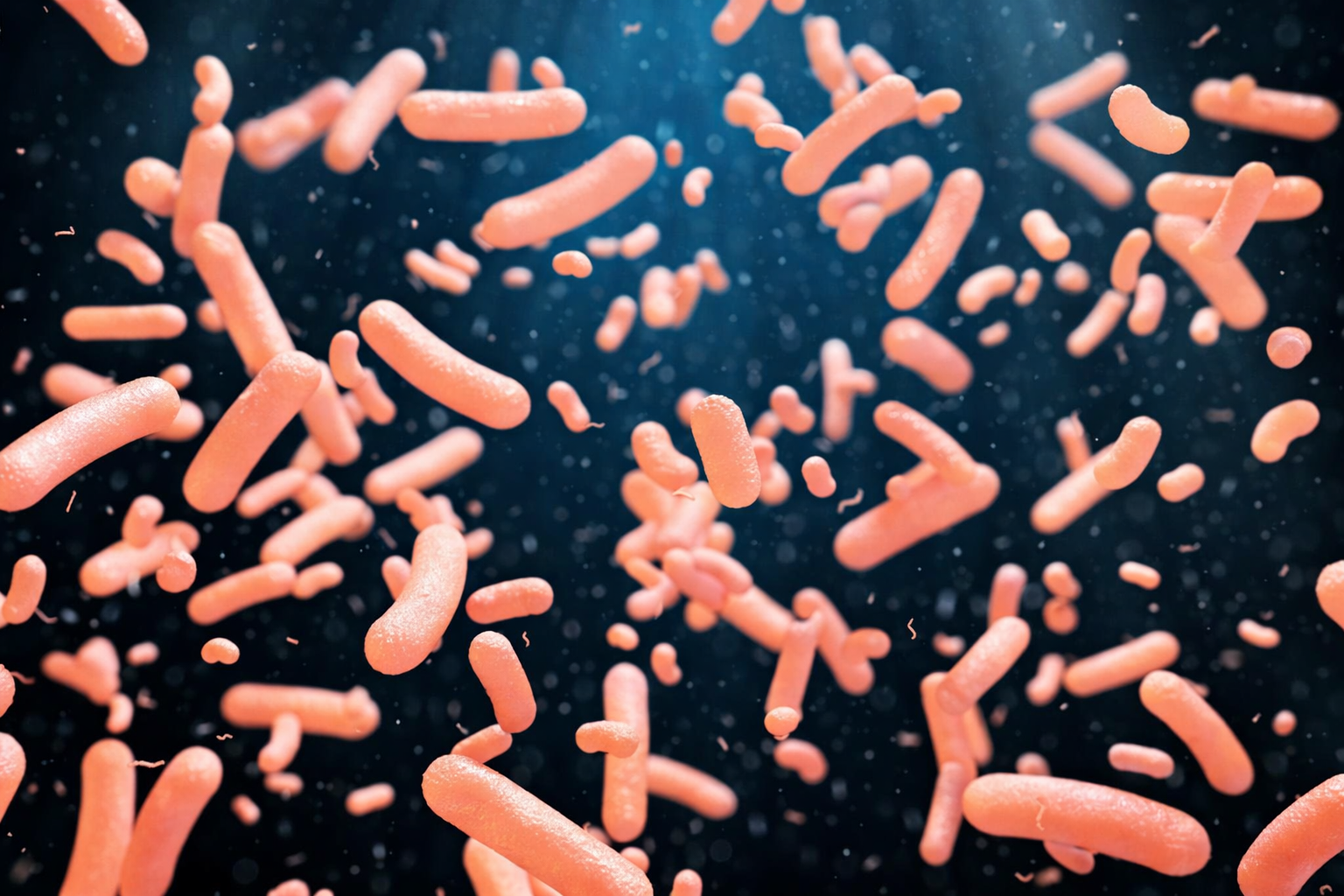
The human microbiome - the vast ecosystem of bacteria, fungi, and microorganisms living primarily in the gut - plays a central role in digestion, immune regulation, mood stability, and even cognition. Emerging research in neuroscience, immunology, and microbiology shows that the microbiome is not regulated by diet alone. It is influenced by stress, social connection, and surprisingly, human touch. This helps explain why loving relationships are biologically essential for human health.
From birth, the microbiome is shaped by relational contact. During vaginal delivery, infants are colonized by maternal microbes. Skin-to-skin contact immediately after birth further transfers beneficial bacteria while stabilizing heart rate and stress hormones. Breastfeeding continues this ecological shaping process. Early nurturing contact does more than create emotional bonding -it supports immune development and microbial diversity.
Touch regulates the nervous system. When a person experiences safe, affectionate touch - such as hugging, holding hands, or gentle contact - the parasympathetic nervous system activates. Oxytocin, sometimes called the bonding hormone, is released. Oxytocin reduces cortisol, the primary stress hormone. This shift matters because chronic stress disrupts the microbiome. Elevated cortisol levels alter gut permeability, increase inflammation, and reduce microbial diversity.
The gut and brain are directly connected through the gut-brain axis, a bidirectional communication network involving the vagus nerve, immune signaling, and microbial metabolites. When stress is high and emotional connection is low, inflammatory responses increase. Inflammation can negatively affect beneficial gut bacteria. Conversely, safety and affection calm inflammatory pathways, supporting microbial balance.
Studies in psychoneuroimmunology show that loneliness and chronic relational stress are associated with poorer immune function and increased inflammatory gene expression. In contrast, individuals in stable, supportive loving relationships often show lower systemic inflammation and better immune resilience. Because the immune system interacts closely with the microbiome, loving relationship stability indirectly shapes microbial health.
Physical touch also influences vagal tone - the activity of the vagus nerve, which regulates digestion and gut motility. Healthy vagal tone supports optimal digestive processes, allowing beneficial microbes to thrive. When someone feels safe in a loving relationship, their body shifts into “rest and digest” mode. In this physiological state, nutrient absorption improves and microbial ecosystems stabilize.
Importantly, the microbiome itself influences mood and behavior. Certain gut bacteria produce neurotransmitter precursors such as serotonin and gamma-aminobutyric acid (GABA). When microbial balance is disrupted, anxiety and depressive symptoms may increase. This creates a feedback loop: stress harms the microbiome, and microbiome imbalance amplifies emotional distress. Loving relationships interrupt this cycle by regulating physiology.
Human beings evolved in close relational groups. Touch, bonding, and cooperation were not optional - they were survival mechanisms. The microbiome co-evolved within this relational ecology. Isolation, chronic conflict, or emotional neglect represent biological stressors that disrupt this system.
The microbiome is regulated not only by food, but also by emotional connection and human touch. Loving relationships calm stress responses, reduce inflammation, improve vagal tone, and support microbial diversity. Because the gut, brain, and immune system are interconnected, relational health becomes physical health. Human touch is not simply comforting - it is biologically regulating, reinforcing the profound importance of loving connection for overall well-being.
At Succeed with Love, at www.loveshiddenpolicy.com it is our mission to help couples to succeed with love. Please reach out to us if you need guidance on doing better in your loving relationship, and we will help you to succeed with love.