What is Neuroplastic Narrative?
Get Started and Succeed with Love, Today.
The science of how your personal story rewires your brain - and why changing it can change everything.
If you have ever felt trapped by your own thoughts - replaying old failures, doubting your potential, or struggling to break patterns you know are holding you back - there is a neuroscience-backed reason why. And more importantly, there is a way out.
It is called neuroplastic narrative, and it may be one of the most powerful concepts in modern personal development and psychology.
The Two Ideas Behind the Term
Neuroplastic narrative sits at the crossroads of two well-established fields.
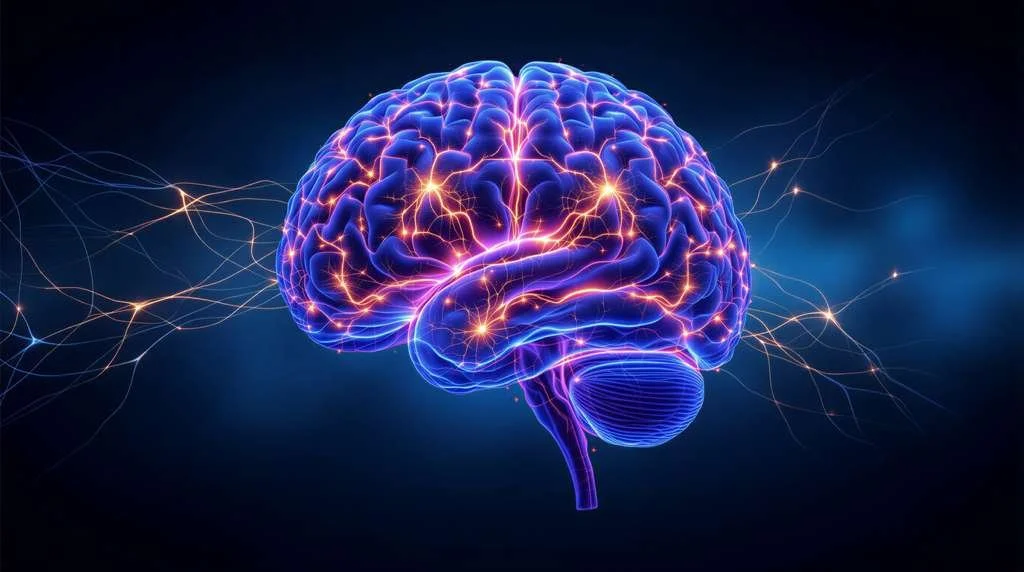
The first is neuroplasticity - the brain's scientifically proven ability to reorganize itself by forming new neural connections throughout your entire life. Your brain is not fixed at birth, nor is it set in stone by adulthood. Every new experience, habit, and thought pattern physically reshapes its structure.
The second is narrative identity - the psychological understanding that humans are, at their core, storytelling creatures. We do not experience life as a series of random events. We construct those events into a continuous personal story: who we are, where we came from, what we are capable of, and where we are headed.
Neuroplastic narrative is the meeting point of these two truths. It is the practice of consciously reshaping the stories you tell about yourself in order to drive real, measurable change in your brain.
Why Your Inner Story Matters More Than You Think
Most people treat their self-narrative as a passive reflection of reality - a simple description of who they are. But neuroscience tells a different story.
Every time you recall a memory, your brain does not simply play it back like a video file. It reconstructs it, colouring it with your current beliefs, emotions, and expectations. This process - known as memory reconsolidation - means that each retelling of your personal story is also, subtly, a rewriting of it.
This is why the narratives you repeat most often become so deeply embedded. They are not just thoughts. Over time, they become neural architecture - physical pathways in the brain that shape how you perceive, react to, and move through the world.
What Neuroplastic Narrative Looks Like in Practice
Changing your neuroplastic narrative does not mean pretending difficult things did not happen. It means shifting how you interpret and tell those experiences - with greater agency, context, and compassion.
Practical tools include expressive writing, third-person self-reflection, temporal reframing (placing past experiences firmly in the past), and building what psychologists call a complex narrative identity - one that holds both hardship and growth without erasing either.
Therapeutic approaches such as Cognitive Behavioural Therapy (CBT), Narrative Therapy, EMDR and coaching all work, in part, through neuroplastic narrative principles.
The Bottom Line
Your brain is not finished. Your story is not fixed. Neuroplastic narrative is the science - and the practice - of using the stories you tell yourself as a direct tool for transformation.
Change your narrative. Change your brain. Change your life.
At Succeed with Love, at www.loveshiddenpolicy.com it is our mission to help couples to succeed with love. Please reach out to us if you need guidance on doing better in your loving relationship, and we will help you to succeed with love.