What Is the Primary Brain Biochemistry in the Panic/Grief System of the Brain?
Get Started and Succeed with Love, Today.
The panic/grief system is one of the brain’s most powerful emotional circuits, governing responses to separation, loss, and perceived abandonment. Unlike fear, which reacts to external threats, the panic/grief system is activated by relational disconnection. It is deeply rooted in mammalian attachment biology and plays a critical role in bonding, emotional regulation, and social survival.
Understanding the brain biochemistry behind panic and grief helps explain separation anxiety, depression, emotional pain, and the profound distress experienced during loss.
The Panic/Grief System: A Social Survival Circuit
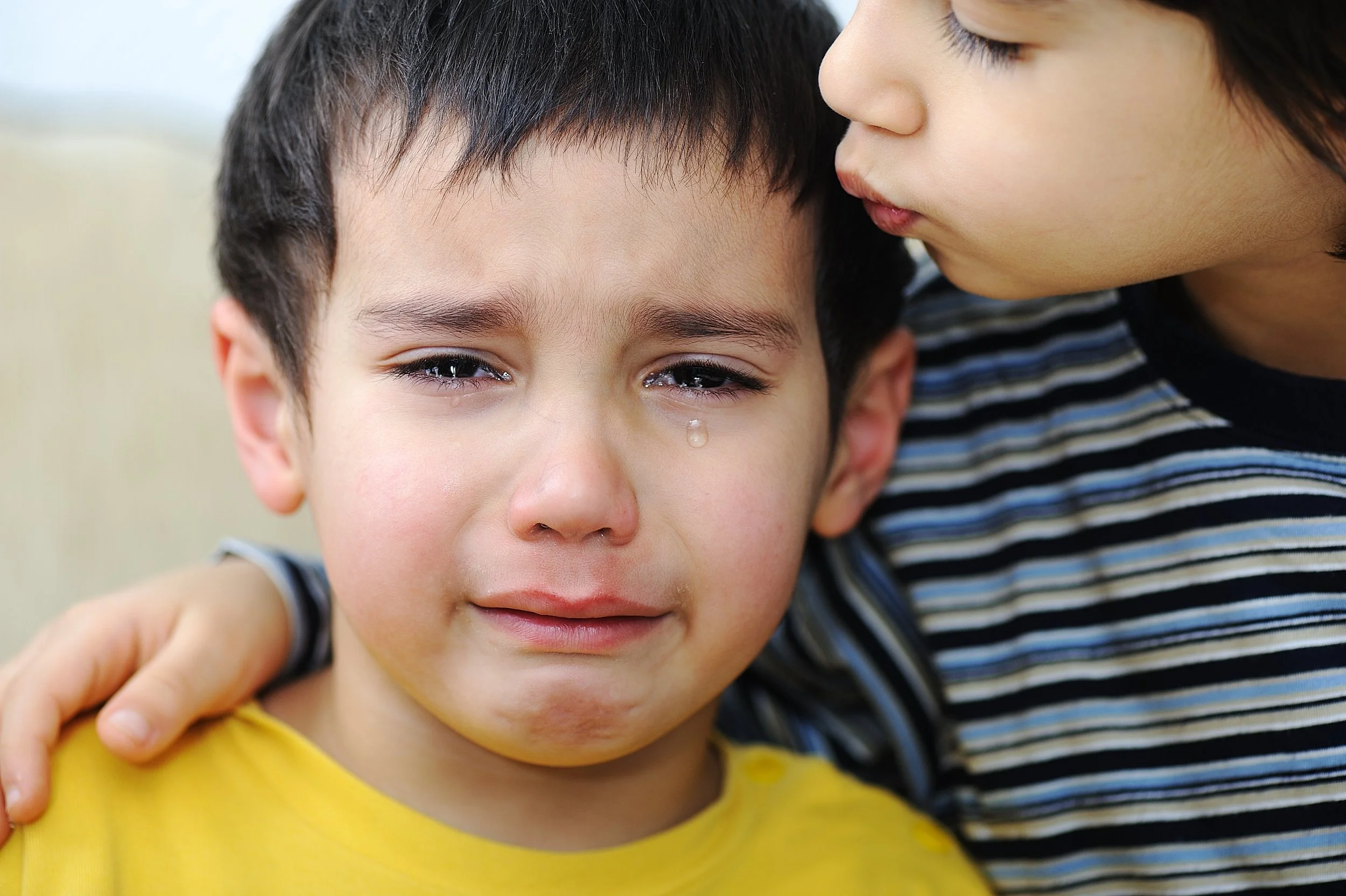
From an evolutionary perspective, mammals depend on caregivers and social bonds for survival. When attachment is threatened, the brain activates the panic/grief system to signal danger and to become motivated for reconnection. In infants, this system triggers crying and protesting behaviors. In adults, it manifests as emotional pain, longing, despair, or panic.
Key brain structures involved include the anterior cingulate cortex (ACC), periaqueductal gray (PAG), amygdala, hypothalamus, and parts of the brainstem.
Endogenous Opioids: The Core Chemistry of Attachment Pain
The primary neurochemicals in the panic/grief system are endogenous opioids, including endorphins and enkephalins. These chemicals regulate social comfort and emotional soothing. When a secure attachment is present, endogenous opioids are released, producing feelings of calm, safety, and connection.
During separation or loss, opioid activity drops sharply, creating intense emotional pain. This withdrawal-like state is why grief can feel physically painful, and deeply hurtful.
Oxytocin: The Bonding Regulator
Oxytocin plays a crucial role in attachment and the regulation of panic and grief. Often referred to as the “bonding hormone,” oxytocin promotes trust, closeness, and emotional safety. Healthy oxytocin signaling dampens panic responses and supports co-regulation through connection.
Low oxytocin activity, often associated with relational trauma or chronic disconnection, increases vulnerability to anxiety, loneliness, and depressive symptoms.
Corticotropin-Releasing Factor (CRF) and Stress Activation
When separation distress persists, corticotropin-releasing factor (CRF) is released from the hypothalamus, activating the stress response system. CRF increases emotional distress, heightens vigilance, and contributes to panic-like sensations.
Serotonin and Mood Regulation
Serotonin helps stabilize mood and emotional resilience during periods of loss. Low serotonin activity is commonly associated with prolonged grief, depression, and rumination. Balanced serotonin function supports emotional processing and recovery after attachment disruption.
Dopamine and Attachment Motivation
Dopamine plays a role in motivating reconnection and restoring attachment bonds. In grief, dopamine levels can become dysregulated, leading to emotional numbness, loss of motivation, or obsessive longing.
Long-Term Effects of Chronic Panic/Grief System Activation
When the panic/grief system remains chronically activated - often due to early attachment trauma, unresolved loss, or relational instability - it can contribute to depression, anxiety disorders, emotional dependency, and difficulty forming secure relationships.
A secure attachment with emotional safety, and consistent relational support help regulate this system naturally.
Final Thoughts
The primary brain biochemistry of the panic/grief system - driven by endogenous opioids, oxytocin, CRF, serotonin, and dopamine - reveals that emotional pain is a biological signal of disrupted connection. Healing this system requires not just insight, but safe, attuned relationships that restore emotional regulation, bonding, and long-term well-being.
At Succeed with Love, at www.loveshiddenpolicy.com it is our mission to help couples to succeed with love. Please reach out to us if you need guidance on doing better in your loving relationship, and we will help you to succeed with love.