
Parent-Child Relationship Work and
Helping Children to Thrive
The Importance of Developing the Parent–Child Relationship: An Evidence-Based Clinical Perspective
From a clinical professional’s standpoint, the parent-child relationship is the most influential and enduring factor in a child’s emotional, psychological, and social development. Decades of empirical research across developmental psychology, attachment theory, neuroscience, and family systems consistently demonstrates that strengthening this relationship is not merely beneficial - it is foundational and evidence-based.
We always see children with their parents, or primary caregivers together, in sessions, and focus on developing these relationships. Because at its core, the parent-child relationship provides the primary context in which a child learns safety, regulation, and meaning. Attachment research, beginning with John Bowlby and expanded through Mary Ainsworth’s work, has shown that a secure attachment predicts better emotional regulation, resilience, academic performance, and relational health across the lifespan.
Children who experience attuned, responsive caregiving develop a secure internal working model: a belief that others are reliable and that they themselves are worthy of care. This belief system shapes mental health outcomes far more robustly than isolated behavioral interventions.
Modern neuroscience further supports this clinical reality. Early relational experiences directly shape brain development, particularly in areas responsible for stress regulation, executive functioning, and emotional processing.
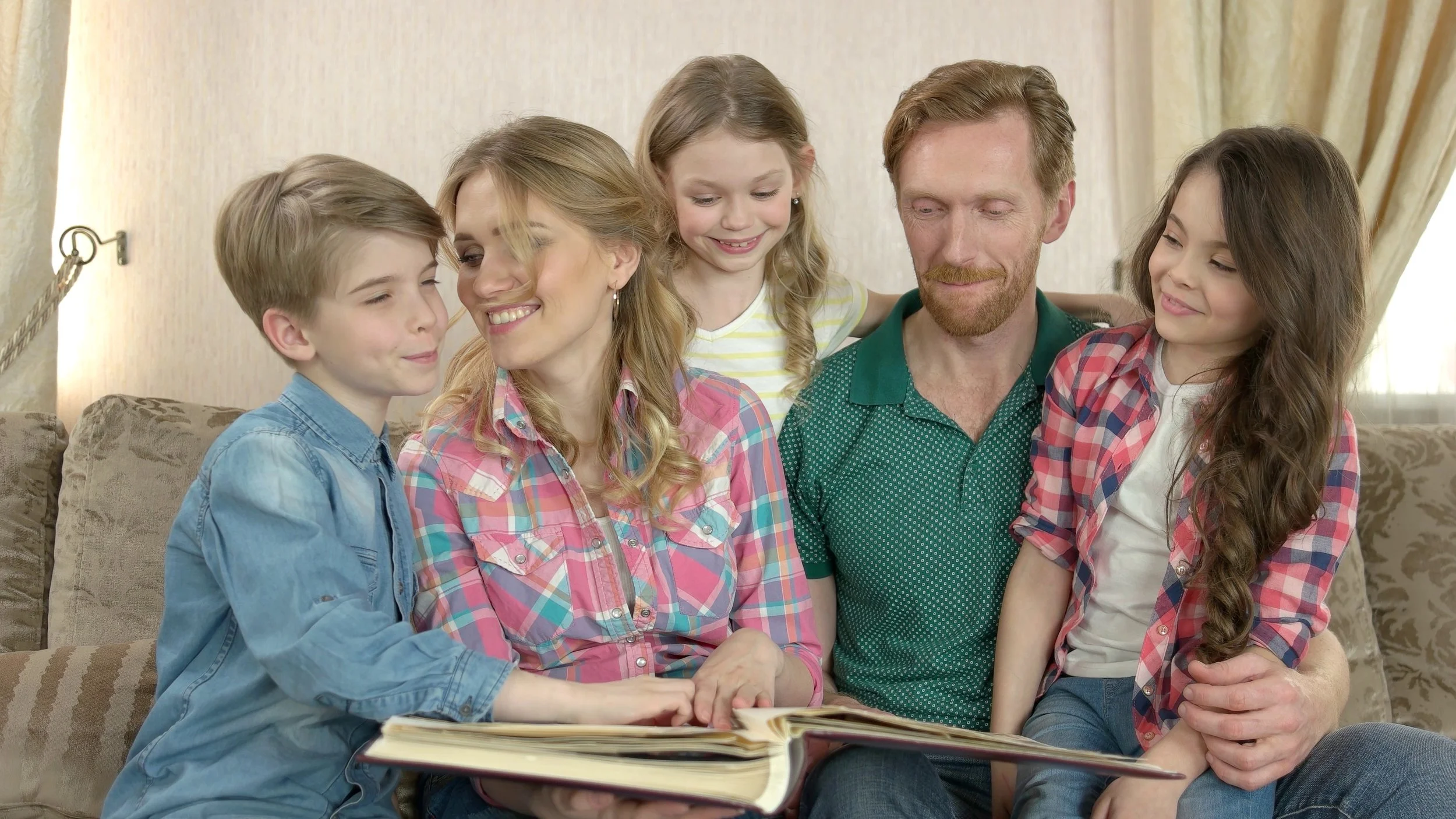

Consistent, emotionally available parenting helps regulate a child’s developing nervous system, reducing chronic stress and cortisol exposure. This regulation is not taught cognitively; it is co-created relationally. Evidence from neurobiological studies confirms that repeated experiences of connection, repair, and attunement literally wire the brain for emotional stability and adaptive coping.
From an evidence-based practice perspective, relationship-focused interventions consistently outperform purely skills-based or compliance-driven approaches. Programs such as Dyadic Development Psychotherapy (DDP), Parent–Child Interaction Therapy (PCIT), Attachment-Based Family Therapy (ABFT), and Circle of Security are supported by rigorous randomized controlled trials. These models emphasize strengthening emotional connection, parental sensitivity, and reflective capacity rather than simply modifying child behavior. The outcomes include reductions in anxiety, depression, behavioral disorders, and trauma symptoms - effects that are both statistically and clinically significant.
In contrast, approaches that focus solely on behavioral control without addressing relational safety may produce short-term compliance but often fail to create long-term psychological health. Clinical evidence shows that children require felt safety before they can internalize limits, values, and coping strategies. The relationship is the mechanism through which discipline becomes developmentally appropriate and emotionally integrated.
Developing the parent–child relationship is also protective across generations. Secure relational bonds reduce the transmission of trauma, improve parental reflective functioning, and enhance empathy and emotional intelligence in both parent and child. These outcomes align with preventive mental health models, which emphasize strengthening relational environments rather than reacting to pathology once it emerges.
In summary, the importance of developing the parent–child relationship is not philosophical - it is empirical. Attachment research, neuroscience, and outcome-based clinical models converge on the same conclusion: the parent-child relationship is the primary evidence-based intervention. When parents are supportive, becoming emotionally attuned, reflective, and responsive, children do not simply behave better; they develop healthier brains, stronger identities, and more resilient futures.

Session Fees & Options to Work with Us:
OPTION 1
$250 for a face-to-face or Zoom 1.5-hour couples session to the public. We recommend one session every 3-4 weeks (we suggest the weekly session model is outdated for couples sessions).

OPTION 2
$600 for a face-to-face 3-hour couples session. This is for couples who want to, or need to work with greater interventional intensity. These sessions often provide faster breakthroughs and results but can be emotionally demanding.
OPTION 3
$400 60-min Supervision session for Couples Therapists, Couples Counselors, Marriage Counselors, Therapists, Counselors, Psychologists, Psychotherapists, Coaches and other professionals who want to be more skilled in working with couples.
OPTION 4
Noteworthy public, celebrity or high-profile clients who require Tony’s undivided attention, home visit sessions, or for him to travel Nationally or Internationally, please contact us to discuss your situation in complete privacy.

Making Payments
Sessions can be booked and paid via Zelle, Venmo or Paypal.
All sessions are private and in strict confidentiality. For celebrity, high-profile or noteworthy public figures, we are happy to sign a non-disclosure agreement.