How Our Genes Express Themselves Through Meaning
Get Started and Succeed with Love, Today.
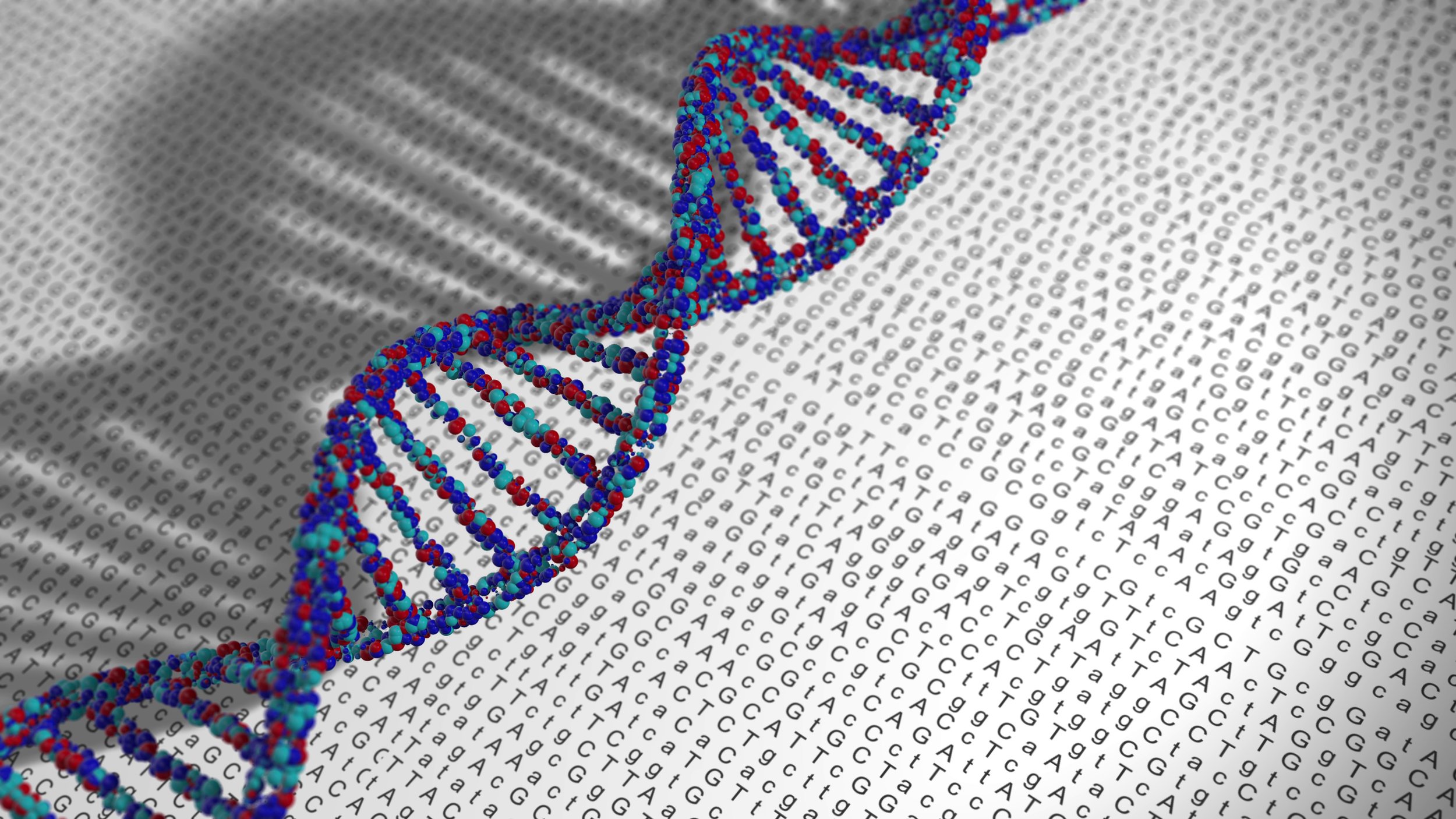
The relationship between genes and human experience is far more dynamic than once believed. While our DNA provides the blueprint for biological structure and function, gene expression - the process by which genes are activated or silenced - is shaped by environment, behavior, and emotional experience. One powerful environmental influence is meaning. Research in neuroscience, psychology, and epigenetics suggests that living with a strong sense of purpose and meaning can influence biological systems that regulate gene expression.
Genes themselves do not change in response to thoughts or beliefs. However, the body’s physiological state - shaped by emotional and cognitive patterns - affects how genes are expressed. This process, known as epigenetic regulation, involves chemical markers that turn genes “up” or “down” in activity. These changes influence inflammation, the stress response, immune function, and even long-term resilience.
When individuals experience meaning - whether through relationships, contribution, spirituality, creativity, or purposeful work - the brain activates networks associated with motivation, connection, and long-term planning. Neurochemicals such as dopamine, serotonin, and oxytocin are released in balanced patterns. These chemicals regulate mood, social bonding, and stress buffering.
A meaningful life often reduces chronic stress activation. When stress becomes persistent, the body increases cortisol and activates inflammatory pathways. Long-term stress has been associated with increased expression of pro-inflammatory genes and reduced immune efficiency. In contrast, psychological well-being and purpose have been linked to healthier gene expression patterns related to immune regulation and cellular repair.
Research in psychoneuroimmunology has shown that individuals who report higher levels of eudaimonic well-being - a sense of purpose and meaning beyond pleasure - demonstrate more favorable gene expression profiles than those focused solely on short-term happiness. Purpose-driven individuals often show reduced inflammatory gene activity and more stable immune system functioning.
Meaning also organizes attention and behavior. When life feels coherent and directed, the brain’s prefrontal cortex supports regulation of emotional impulses. This balanced nervous system state influences hormonal output and autonomic stability. Over time, consistent regulation contributes to healthier epigenetic signaling.
Social meaning plays a particularly strong role. Belonging to a family, community, or shared mission activates attachment systems that buffer stress. Oxytocin and vagal tone increase in safe relational environments, supporting anti-inflammatory and restorative biological processes. These relational experiences can influence gene expression patterns across a lifespan.
Important to mention, meaning does not eliminate adversity. Rather, it changes how adversity is processed. When challenges are interpreted within a framework of purpose, the stress response is often shorter and more adaptive. This shift in physiological stress cycling can reduce the cumulative biological burden known as allostatic load.
Our genes do not operate independently of our lived experience. Through epigenetic mechanisms, the body translates emotional and cognitive states into biological signals that influence gene expression. Living with meaning supports balanced neurochemistry, regulated stress responses, and healthier immune function. Meaning is not just philosophical - it is biologically influential, shaping how our genetic potential is expressed over time.
At Succeed with Love, at www.loveshiddenpolicy.com it is our mission to help couples to succeed with love. Please reach out to us if you need guidance on doing better in your loving relationship, and we will help you to succeed with love.